Free Time Zone Video Tutorials
Explore external videos on time zones and scheduling alongside related written guides. Videos are hosted on YouTube; check the creator and any time-sensitive information there.

How Time Zones Work: A Complete Guide
Understand why the Earth is divided into 24 time zones, how UTC offsets are calculated, and why some countries use half-hour offsets like India (UTC+5:30) and Nepal (UTC+5:45).
How Time Zones Work: A Complete Guide
Understand why the Earth is divided into 24 time zones, how UTC offsets are calculated, and why some countries use half-hour offsets like India (UTC+5:30) and Nepal (UTC+5:45).
Watch now
Daylight Saving Time Explained
When do clocks change, which countries participate, and why does the US and EU switch on different dates? Everything you need to know about DST in under 10 minutes.
Watch now
Timezone Conversion Tips & Tricks
Master timezone math: how to add and subtract UTC offsets, account for DST, avoid the most common scheduling mistakes, and quickly convert times in your head.
Watch now
History of Timekeeping: Sundials to Atomic Clocks
From ancient Egyptian shadow clocks to modern caesium atomic clocks accurate to one second in 300 million years — a condensed history of how humans learned to measure time.
Watch now
Jet Lag — How to Avoid It
A doctor explains what jet lag does to your body and shares science-backed strategies to prevent and recover from it quickly after long flights.
Watch now
Understanding International Time Zones — A Global Guide
An 11-minute journey through the complexities of international time zones — how offsets differ, why borders matter, and how to navigate them.
Watch now
Working Across Time Zones
Real-world tips and experiences for going global and coordinating meetings, calls, and collaboration when your team spans multiple time zones.
Watch now
4 Rules to Manage Remote Teams in Different Time Zones
Four practical rules for keeping distributed teams aligned and productive when working hours barely overlap across continents.
Watch now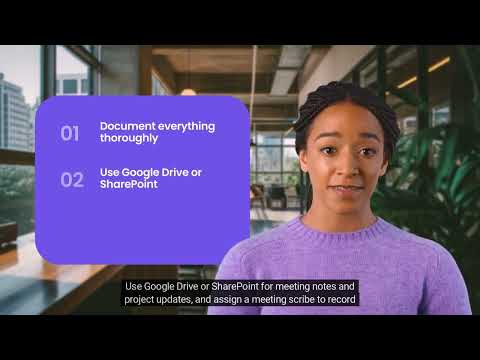
How to Manage Remote Teams Across Time Zones
Effective strategies for communication, scheduling, and team culture when your workforce spans multiple continents and time zones.
Watch now
Time Zones Explained
A clear introduction to what time zones are, how they got their names, and why flying across them causes jet lag — perfect for beginners.
Watch now
Daylight Saving Time — Why We Change Our Clocks
CGP Grey’s popular explainer on the origins and economics of Daylight Saving Time — and why Germany started the practice during World War I.
Watch nowRelated Articles & Resources
Ready to try the tools yourself?
Everything covered in these tutorials is available free, right now — no sign-up required.